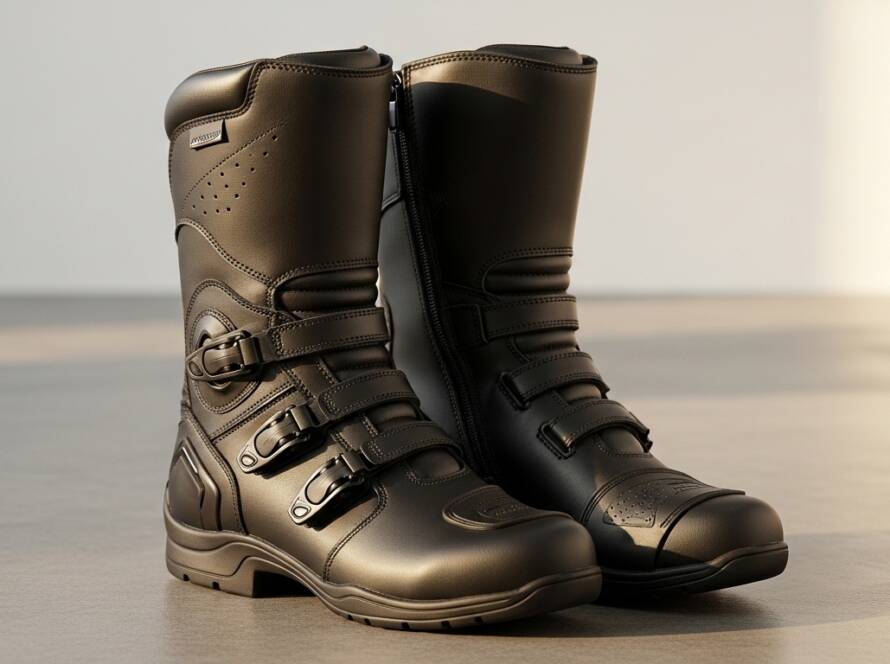
Rain has a way of testing every rider’s patience. One moment you’re enjoying the open road, and the next, you’re battling sheets of water, slippery surfaces, and reduced visibility. If you ride frequently—whether for commuting, touring, or adventure—you already know that unpredictable weather is part of the journey. That’s exactly why investing in a high-quality biker rain suit is not a luxury; it’s a necessity.
A properly designed biker rain suit acts like a shield between you and harsh elements. It keeps you dry, protects your riding gear, and maintains your focus when conditions get challenging. Without it, even a short ride in heavy rain can turn uncomfortable and unsafe. Let’s explore everything you need to know before choosing the right protection for your rides.
Why Every Rider Needs Proper Rain Protection
The Risks of Riding in the Rain
Riding in wet conditions changes everything. Roads become slippery, braking distances increase, and visibility drops dramatically. When your clothes get soaked, your body temperature starts falling, especially during high-speed rides. Wet gloves reduce grip strength. Damp clothing restricts movement. All these factors combine to increase risk.
A dependable biker rain suit eliminates these distractions. Instead of worrying about discomfort, you stay focused on the road ahead.
Comfort, Control, and Confidence
Confidence on a motorcycle comes from feeling in control. When you’re dry and warm inside a reliable rain suit for bike use, your reactions stay sharp. You maintain better posture, better grip, and better concentration. Simply put, comfort equals control—and control equals safety.
What Is a Biker Rain Suit?
A biker rain suit is specially engineered waterproof outerwear designed to be worn over your riding jacket and pants. Unlike regular raincoats, it is tailored for high-speed airflow, wind pressure, and prolonged exposure to rain. It covers your upper and lower body while maintaining flexibility for riding posture.
Core Features of a Quality Suit
A high-quality bike rain suit typically includes waterproof-coated fabric, sealed seams, storm flaps over zippers, adjustable cuffs, elastic hems, and reflective elements. These features work together to prevent water entry even during heavy downpours.
Seam sealing is particularly critical. Even premium materials can leak through stitching holes if seams are not taped properly. Always check for welded or taped seams before buying.
How It Differs from Standard Rainwear
Standard rainwear is designed for walking—not riding at highway speeds. Wind pressure forces water through weak fabrics, and loose designs flap violently while riding. A proper rain suit bike solution is aerodynamic, durable, and reinforced at stress points like knees and shoulders.
Types of Rain Suit for Bike Riders
One-Piece Designs
A one-piece biker rain suit offers complete coverage with minimal gaps. Since there is no separation at the waist, it reduces the chance of water seeping inside. This makes it ideal for long-distance touring or heavy rainfall.
However, it may take slightly more time to wear and remove compared to two-piece options.
Two-Piece Rain Suit for Bike Riding
A two-piece rain suit for bike riding includes a jacket and separate pants. This design offers flexibility. You can wear only the jacket during light showers or both pieces in heavy rain. Many commuters prefer this style because it’s easier to put on quickly.
Compact Emergency Options
Some riders carry lightweight rain gear under the seat. While convenient, these are best for short-term use and may not provide the durability of a premium bike rain suit.
Materials Used in a Bike Rain Suit
PVC and Vinyl
PVC-based suits are completely waterproof and affordable. However, they are not breathable, which can cause sweat buildup during long rides.
Polyester with PU Coating
This material strikes a balance between flexibility, durability, and water resistance. It’s commonly used in a rain suit for bike designed for daily commuters.
Advanced Breathable Membranes
Premium options use advanced membranes that block rain while allowing sweat vapor to escape. These materials provide superior comfort during extended rides.
Waterproof Ratings and Seam Technology
Understanding mm Ratings
Waterproof performance is measured in millimeters. A 3000mm rating works for light rain, while 5000mm or more is recommended for heavy rainfall. If you frequently ride long distances, choose higher-rated gear.
Importance of Sealed Seams
Seams are the weakest points in any garment. A quality rain suit bike design uses taped or welded seams to prevent leaks under pressure.
Breathability vs Waterproofing
Why Ventilation Matters
While staying dry is important, breathability ensures you don’t feel trapped inside your suit. Excessive sweating can be as uncomfortable as rain itself.
Preventing Internal Moisture
Look for mesh linings and ventilation flaps. These features allow airflow without compromising waterproof integrity.
Must-Have Features in a Rain Suit Bike Setup
Reflective Panels
Rain reduces visibility for everyone on the road. Reflective strips on your biker rain suit improve your visibility at night and during storms.
Adjustable Closures
Elastic cuffs and Velcro straps prevent water from entering through wrists and ankles.
Reinforced Panels
Reinforced knees and seat areas improve durability, especially during long rides.
Finding the Perfect Fit
Sizing for Layering
Always buy slightly larger sizing to accommodate your protective riding gear underneath.
Mobility and Flexibility
You should be able to lean forward comfortably without feeling restricted.
Seasonal Buying Guide
Summer Storm Riding
Choose lightweight and breathable materials to prevent overheating.
Winter Rain Protection
Opt for windproof and insulated designs to maintain warmth during cold rides.
Maintenance and Longevity Tips
Wash your bike rain suit with mild detergent and avoid fabric softeners. Dry completely before storage to prevent material breakdown. Proper care can extend lifespan to several years.
Budget vs Premium Options
Budget suits are suitable for occasional riders. Premium rain suit for bike riding options offer advanced breathability, stronger seams, and enhanced durability. If you ride daily, investing in higher quality saves money long-term.
How to Choose the Best Rain Suit for Bike Riding
Daily commuters should prioritize quick wearability. Touring riders should focus on durability and waterproof ratings. Adventure riders need reinforced materials and long-lasting construction.
Choosing the right biker rain suit depends on your riding frequency, climate, and budget. Make sure your final choice balances waterproofing, breathability, comfort, and safety.
Final Buying Checklist
- Minimum 5000mm waterproof rating
- Taped seams
- Reflective elements
- Adjustable cuffs
- Breathable material
- Comfortable fit over riding gear
Conclusion
Rain doesn’t have to ruin your ride. A high-quality biker rain suit ensures that unexpected storms don’t interrupt your journey. Whether you choose a one-piece or a two-piece rain suit for bike riding, focus on durability, waterproof performance, and visibility features.
A reliable bike rain suit is more than gear—it’s protection for your comfort, safety, and confidence. Invest wisely, maintain it properly, and ride fearlessly in any weather.
FAQs
1. How long does a biker rain suit last?
With proper care, a quality suit can last between 3–5 years.
2. Is a two-piece rain suit for bike riding better than one-piece?
Two-piece offers flexibility, while one-piece provides maximum waterproof coverage.
3. Can I use a normal raincoat instead of a bike rain suit?
Regular raincoats lack wind resistance and durability for riding speeds.
4. What waterproof rating should I choose?
At least 5000mm for consistent heavy rainfall protection.
5. Does a rain suit bike setup improve safety?
Yes. It improves visibility, maintains body temperature, and enhances riding focus.